

Support for social integration
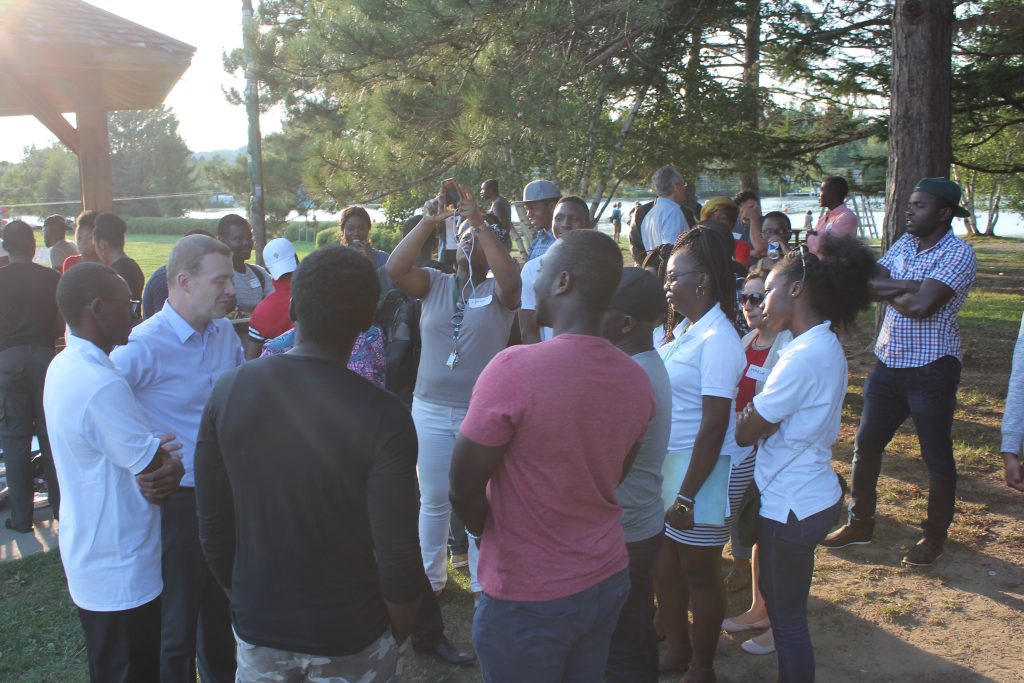
International students, particularly those of African descent, face significant challenges in their process of integration during their academic journey in Canada. One of the major issues is the lack of prior information about their host universities and the community environment they are now a part of. These students struggle to grasp the nuances of lifestyle, communication styles, and the intricacies of interacting with Canadians. In many instances, they remain unfamiliar with the support structures within their universities and avenues for socializing on campus and in society. Faced with these difficulties, students often tend to withdraw or turn to resources that may not adequately address their needs.
Recognizing the persistent perception of injustice and discrimination among international students, the organization 'Life and Work Together' organizes socialization activities for students in Canadian university towns where it is established. These activities aim to bridge the integration gap by fostering a sense of community and providing the necessary support to help international students navigate and thrive in their academic and social environments.
Support for professional integration

International students face significant challenges in integrating into the Canadian job market. Many complain of discrimination when seeking employment commensurate with their level of education. Since the COVID-19 pandemic, several campaigns have been organized to address the labor shortage. The federal government has increased the number of hours international students are allowed to work per week during their studies from 20 to 40 hours. Government authorities argue that this flexibility would enhance international students' access to the job market. However, organizations dedicated to the professional integration of immigrant populations fear that this measure may lead to increased discrimination against international students, steering them toward knowledge-intensive professions and away from manual jobs that are less remunerative and do not require specific qualifications.
To support students in their professional integration, our priorities focus on co-development and improving access to internships in high-skilled positions. We are also developing programs to promote international solidarity by creating opportunities for students to apply their knowledge and skills in North-South cooperation projects.
Support for academic training
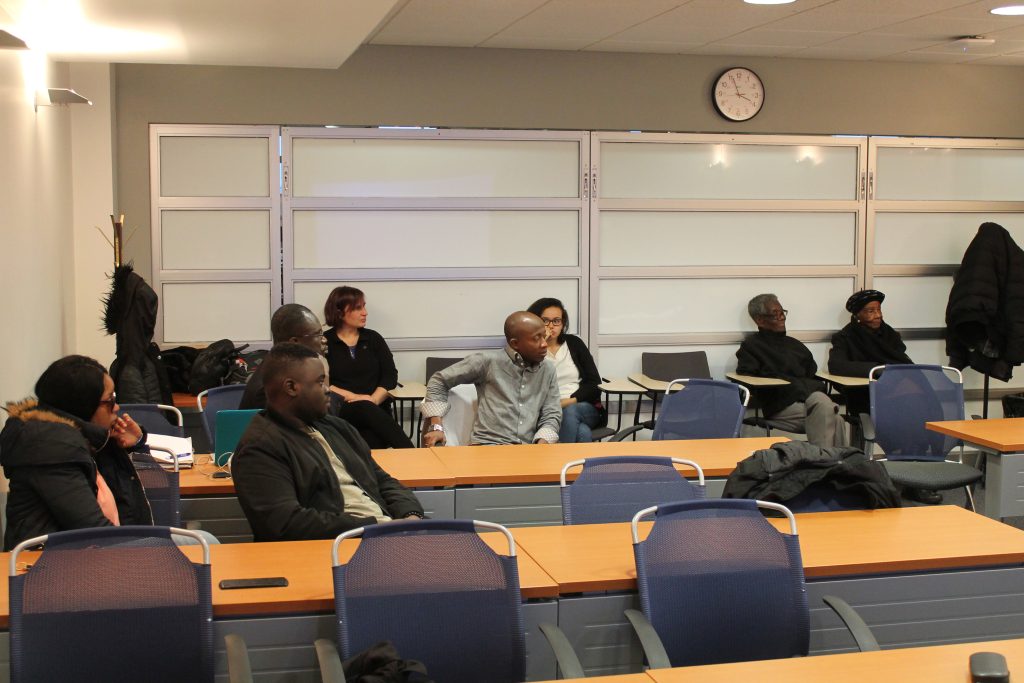
The main academic challenges faced by international students have been documented through academic research and in the mainstream media. These challenges include differences in pedagogical approach and academic systems, language issues, limited proficiency in handling computer tools and laboratory instruments, teacher-student relationships, evaluation criteria, plagiarism, and meeting exam submission deadlines, as well as acquiring knowledge about other cultures.
To assist international students in succeeding in their studies, we support them in acquiring knowledge of computer tools and using essential specialized software in their disciplines.
We also co-organize tutoring to enable former students to support newcomers who may encounter difficulties in learning and understanding the academic system.
Support for immigration

Many international students in Canada aspire to settle in the country after their studies, either for initial professional experience or as a permanent residence. The journey of these students towards permanent residency is often challenging, with complexity varying from one province to another. We guide international students to immigration professionals based on their specific needs.
Canada is a preferred destination for college and university studies, attracting students from around the world. We compile information on study programs and scholarships, making them available to students abroad, and direct them to resources that can help initiate an immigration program for study.